Research
Our research focuses on understanding how biological communities interact with the chemistry of arid landscapes.
We combine field ecology, metabolomics, and environmental chemistry to reveal how microscopic life shapes entire ecosystems.
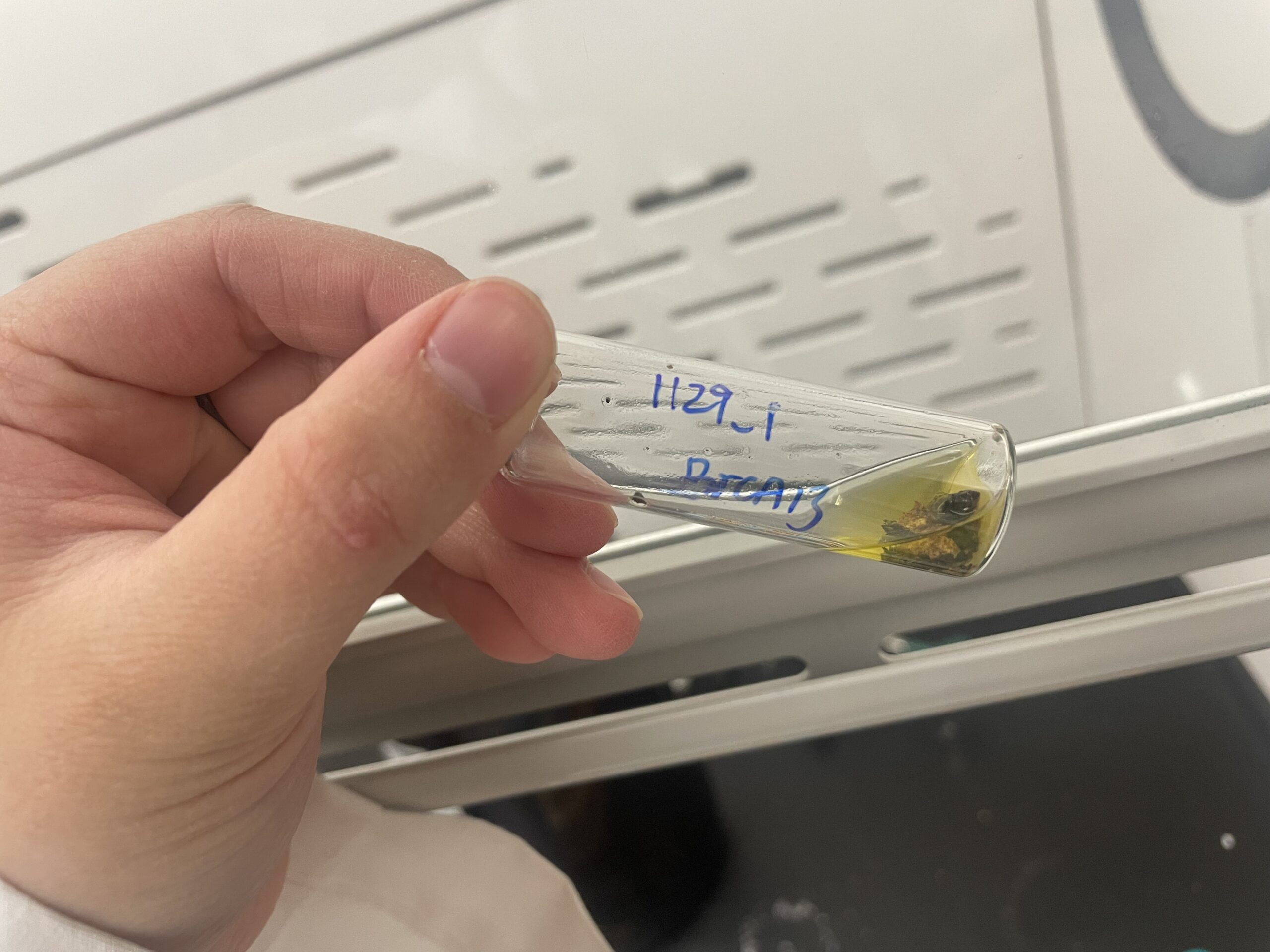
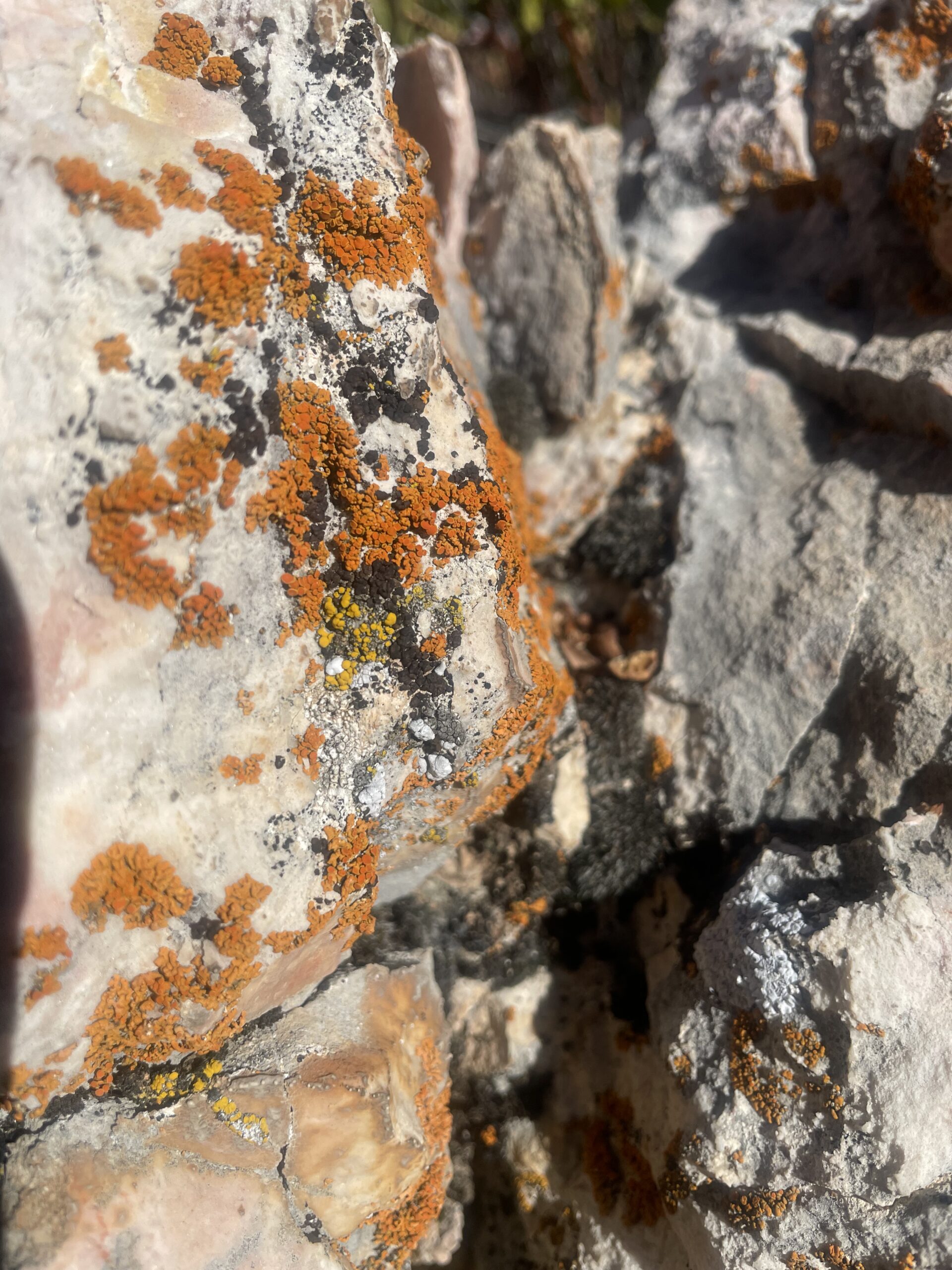
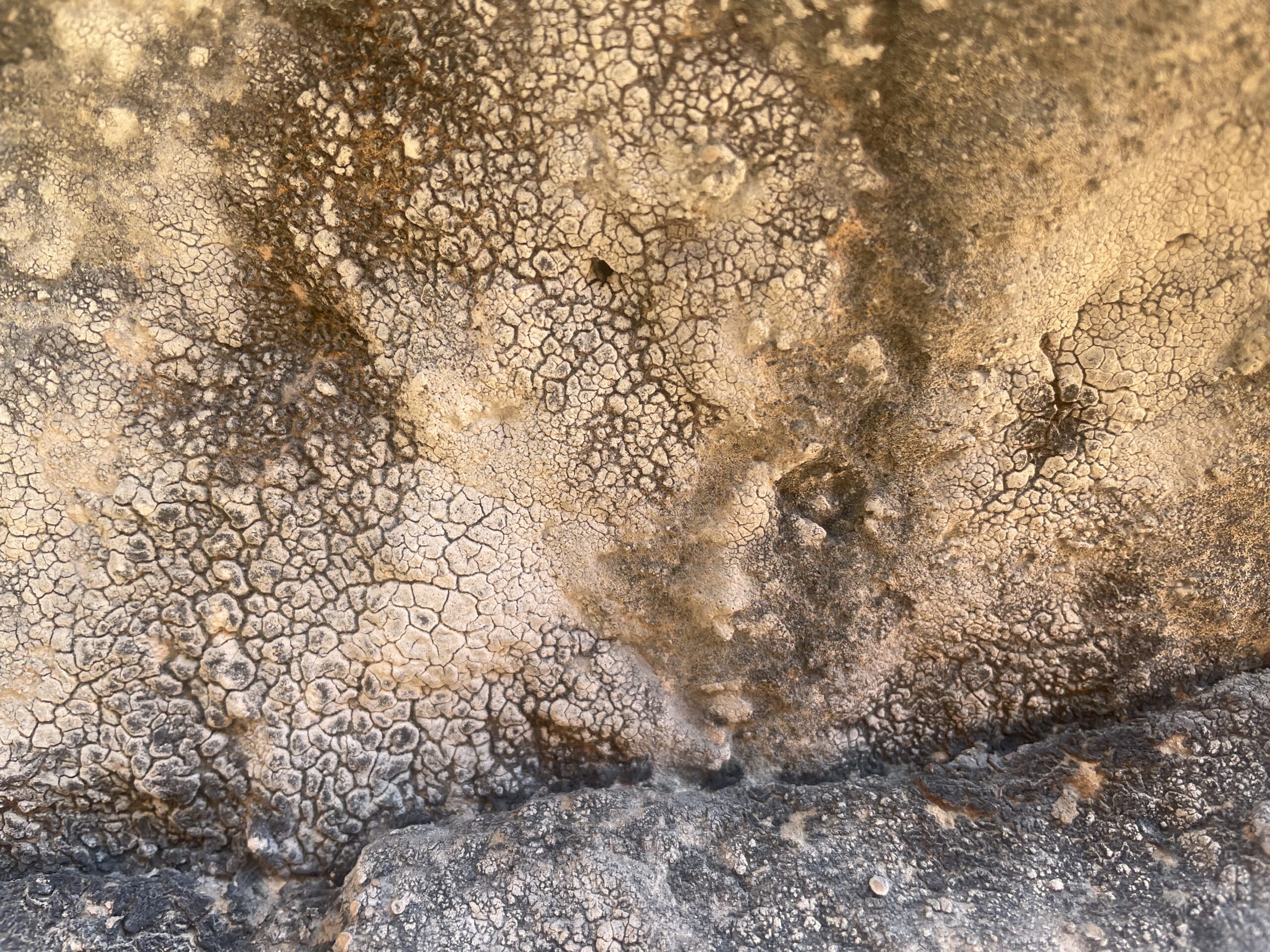
What We Study
Lichens
Biocrusts
Environmental chemistry / resilience
Linking ecology and pharmaceutical science
Program 1 — Chemical Ecology of Lichens
We study the chemical diversity produced by lichens and how these compounds function in nature.
By combining field sampling and molecular analysis, we aim to understand how lichen metabolites regulate microbial communities, protect surfaces, and mediate environmental stress.
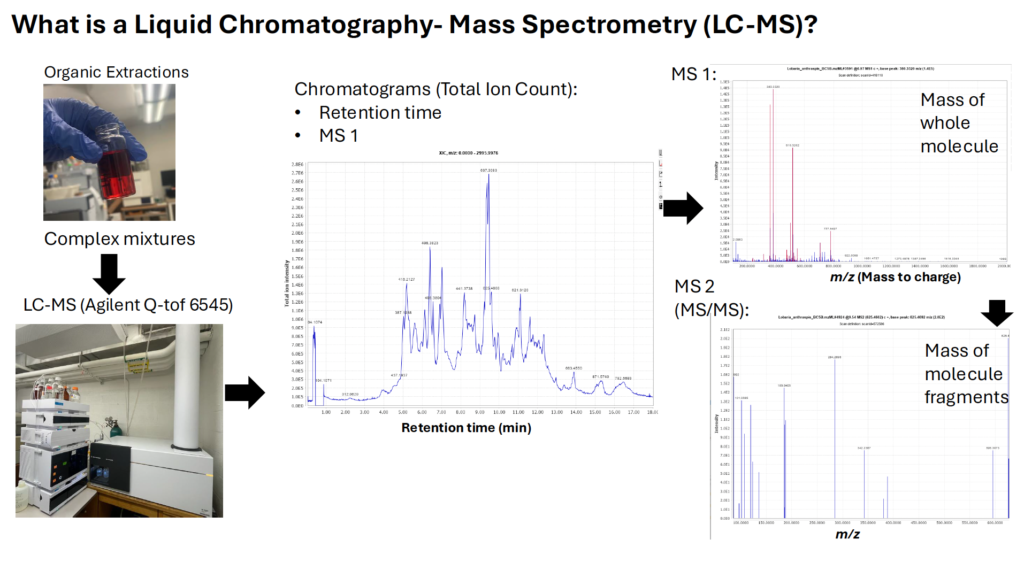
How We Study the Invisible
To understand ecosystems, we often need to see what cannot be seen.
Many organisms interact through chemicals — signaling, competing, and protecting themselves using molecules invisible to the naked eye.
We use Liquid Chromatography–Mass Spectrometry (LC-MS) to separate and identify thousands of natural compounds from environmental samples.
This allows us to connect organisms, chemistry, and ecological function – revealing processes that traditional surveys cannot detect.
Program 2 — Biocrust Recovery & Disturbance
Biological soil crusts are critical for erosion control and ecosystem stability in arid lands.
Our research tracks how crust communities respond to fire, trampling, and climate stress, and identifies chemical indicators of recovery stages.
Program 3 — Environmental Proteins & Extreme Persistence
Some environmental molecules can persist in soils for decades.
We explore naturally occurring enzymes and compounds that break down resilient biological materials, with implications for land management and environmental health.
Program 4 — Landscape Chemistry Mapping
We are building open chemical maps of landscapes — linking species, geology, and metabolites across regions.
This creates a new layer of ecological data that complements traditional biodiversity surveys.
Understanding small organisms is essential for managing large landscapes.
Our work informs conservation, restoration, and land stewardship decisions while making scientific knowledge accessible to the public.
We collaborate with parks, land managers, and academic partners.
Data and results are shared through open resources, workshops, and public programs.